8 Active Date Ideas That Won’t Make You Sweaty – Shape.com

Shape.com


These fun, calorie-burning activities will strengthen your bond without leaving either of you drenched and smelly (read: not sexy!)


The idea of going on a fitness-oriented date sounds great—for all of about 30 seconds when you realize you’d rather not have your new guy see you looking like a hot mess. Not all active dates need to be all-out sweat sessions, though. These calorie-burning ideas will help you get to know each other better (no matter how long you’ve been together) without any worry if your makeup is running or how you smell.

1. Hiking

Go al fresco to improve muscular strength, endurance, and cardiovascular health, and burn about 600 calories an hour at a moderate pace, says Levi Harrison, M.D., author of The Art of Fitness: A Journey to Self Enhancement. Studies have shown that being in nature relieves stress, so focus on the view (go ahead and let him walk in front of you if he has a nice butt), and chances are the butterflies in your stomach will disappear. Since you’re not panting, you’ll have plenty of time to chat, and you can always bring a picnic lunch in a backpack to extend the day.


2. Stand Up Paddleboarding (SUP)

“This is great for dates because you set your own pace and can talk and soak in the serenity of your surroundings,” says Colleen Ketchum, a certified Pilates instructor and creator of Beyond Barre. “The big plus for a paddleboard date is that the cell phones have to stay in the car.” And while you may want to wear your swimsuit under your shorts and tee just in case, balancing is easier than you think and you likely won’t take a dip—unless you want to. You’ll also really work your core and burn about 400 calories an hour.


3. Rock Climbing


The fitness perks here—core strength, coordination, agility, cardiovascular endurance—are only to boot. The real advantage to facing a wall or rock is the support and encouragement you give each during your date, Dr. Harrison says, and that hopefully translates after the ropes are put away. If it’s your first time, seek professional guidance in a gym or outdoor setting and no matter what, always be sure to use the proper safety equipment. You may be a little sore the next day, but hey, good excuse to exchange massages.


4. Yoga


A gentle or restorative yoga class means no sweat and lots of bonding benefits to form a deeper connection. Even though there won’t be much chatting, holding hands in savasana at the end of the session can be better than holding hands on a walk, says Tamal Dodge, a certified yoga instructor and star of the DVD Element: Intro to Yoga. If you can, find a class offered in a park or on the beach to up the romance factor, and keep going together after you’re in a relationship: Studies suggest that yoga may help him last longer; improve your desire, arousal, and orgasms; and make you both more sexually satisfied.


5. Partner Kayaking


Squeeze in a serious upper-body workout and get in sync with your guy—literally. Talking to properly coordinate your strokes encourages team work, says personal trainer Patricia Friberg, creator of the Power 4 Pink DVD, and we all know how key good communication is in a relationship. Though kayaking can be tough, it’s also fun and you’ll both feel the post-workout high of conquering a challenging workout, so go out for celebratory drinks after.


6. Skating


WIth indoor rinks all over the country, you can lace up those ice skates and glide around together anytime of year. It may sound a little middle school, but it’s a great excuse to hold onto each other or show off how you can do spins and then try to teach him. All the while this aerobic workout will be building your balance and working your core, legs, glutes, and arms to the tune of 300 to 810 calories an hour, says Teri Jory, a certified personal trainer, figure skater and owner of Poise Productions.


7. Biking


The possibilities are almost endless here: Hop on a tandem bike or ride side by side in the park, by the beach, through the city, or wherever jibes with both of you. In addition to burning between 500 and 800 calories in an hour, cycling works your large muscle groups (including your glutes, quadriceps, and hamstrings), so even a moderately paced ride gives your metabolism a little boost, meaning you’ll eliminate a few more calories after you hop off, says Kim Truman, a certified personal trainer and outdoor athletic coach.


8. Dancing


If your guy protests to the idea of dance lessons, present him the perks of cutting a rug: You’re up close and personal, learning each other’s bodies, and flirting, all building up sexual tension that you have to wait until later to release. Try out different styles, from tango and ballroom to super sensual salsa or even line dancing, until you find one you both really enjoy. Above all, don’t forget to have fun and laugh, even if he does step on your foot—repeatedly.


Posted in Articles | Comments Off on 8 Active Date Ideas That Won’t Make You Sweaty – Shape.com

5 Sporty Ways To Blast Fat – First for Women

5 Sporty Ways To Blast Fat – First for Women

Continue reading “5 Sporty Ways To Blast Fat – First for Women” »

Posted in Articles | Comments Off on 5 Sporty Ways To Blast Fat – First for Women

Growing Healthy Bodies – Overcoming Remote-Control Lifestyles

Growing Healthy Bodies – Overcoming Remote-Control Lifestyles
In the U.S. Surgeon General’s recent report, he outlines two basic factors not only contributing to our expanding waistlines, but to our children’s as well–the foods we eat and our inactivity. We need to commit to improving not only our own health, but also the well-being of our children. Making Herbalife part of our daily schedules is time well spent on growing healthy bodies. While most adults need to obtain and maintain a healthy body, we also need to make sure we are managing our children’s healthy growth and with Herbalife products, you can do just that. The hard facts

Some may say our children are already healthy and that they don’t need to worry about bulging bodies. But reports suggest just the opposite: Our children are fat, sedentary and eat the wrong foods. In fact, the Surgeon General’s report states that the prevalence of overweight children has nearly tripled in the past three decades.
You may have children or you may not, but these findings reflect on the greater society we live in. During the past 100 years, we have lost control of our food sources and our lifestyles have become increasingly more sedentary. Comparing now vs. then

Let’s examine how physically easy our lives have become: When I was a child, we had to turn a knob on our television to change channels. Now, we have remote controls. This modern luxury has taken away the potential to get up and change the channel, burning up to five calories.

Our cars used to have roll-up windows which, when wound vigorously, could burn up to two calories.

We used to have manually operated garage doors but, no longer. Most of us now have remote-operated door openers.


These luxuries have taken away opportunities for us to use our muscles and burn calories throughout the day.
Decreases in our physical demands have led to an increasingly overweight population.
Children today are growing up with these luxuries. Additionally, with television, video games and computers, children are much more inactive today than at any other time in history. In the early 1960s, children were active about 4.5 hours each day thanks to walking or riding bikes to school, recess, after-school sports programs and playing. Today’s children are active less than 30 minutes a day. It’s no wonder our children are struggling to maintain healthy weights! Inactivity = obesity

Inactivity combined with our food today is a lethal combination! These two factors contribute to an increasing percentage of obese children. Obesity is one of the major risk factors associated with many of our chronic diseases. We may think that chronic disease is an effect of the aging process. But, never before have we seen such a large percentage of overweight children. In fact, 10 to 15 percent of American children are seriously overweight. If this rate continues, we could start seeing a higher percentage of these chronic diseases affecting younger people. Healthy eating habits on the decline

So what about the food we eat today? We no longer grow our own foods, we rely on outside sources to provide them to us.

Food is harvested green, then shipped long distances and stored for months. When it finally makes its way to the grocery stores, it is not as nutrientrich as when it was first harvested.


Reports also point out that we are going out to eat more often now than ever before. And when we go out to eat, we have a tendency to eat foods we would not normally eat at home, often loaded with extra calories.
It seems fast-food places have appeared on every corner of the planet! When I was a kid, fast-food restaurants existed, but we did not frequent them nearly as much as we do today.

Today, on average, children eat fast food four times a week!

The majority of fast foods are high in fat, high in salt, high in cholesterol, low in vitamins, low in minerals and low in fiber! This is exactly the opposite of what is recommended to grow healthy bodies.


Reality check

In an ideal world, children would not eat fast food at all. But with the media influences today, children get a warped view of what good nutrition is all about. They whine and beg to go to fast-food restaurants. They think it is a treat. They are happy when they get their kid’s meal, complete with toy.
I challenge all of us to change the concept of going to fast-food restaurants for our children. Don’t promise to take the kids out for fast food as a treat for doing their chores or getting good grades. Instead, choose something more healthy. Preparing our kids for good health

Let’s make an effort to nurture healthy lifestyles that will lead to healthy habits. As adults, it’s up to us to work with our kids and help them enjoy activity and nutritious foods. Here are just a few ideas: Take walks with your children.

Enroll them in a sports program and take time to watch them when they compete.

Play an active role in their lives.

Become active yourself. Lead by example.


Again, I know that most of us work and our time is limited, but we must be responsible for helping our children grow healthy bodies. And by setting good examples for your children, you will increase your health potential, too. Getting kids involved

As far as the food side of the equation is concerned, teach your children responsibility by letting them prepare one meal a week. That way, each child can create a meal, learn to read recipes and prepare the food. Even the very young can get involved in this way. Let small children stir.

Take your children to the grocery store with you and nurture interest by letting them pick a vegetable one week and a meat/protein the next.

As the child grows, so does the responsibility. Around age six, start introducing nutrition information.

As the child’s reading abilities improve, help him or her understand food labels and balance the meal with a vegetable, protein source and a grain product.


With early involvement in meal planning and food content, children will grow up with a better understanding of how food not only pleases the taste buds, but also feeds the body.
Herbalife can assist us in helping to grow healthy bodies through our great children’s products.DinoShakes®, Kindermins®,Dinomins® and other Herbalife products taste great, are easy to take and can help provide children with essential nutrients.

Activity and nutritious foods play a big part in growing healthy bodies–a bigger part than most people realize- so we should try to focus on these essentials. I always say in training that we are not “HerbaDiet,” we are HerbaLIFE! Herbalife is for family, for life!

Posted in Articles | Comments Off on Growing Healthy Bodies – Overcoming Remote-Control Lifestyles

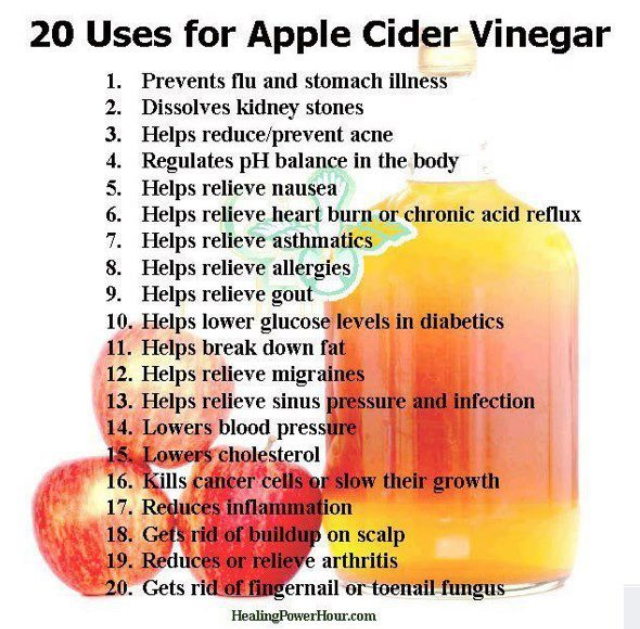
20 Uses for Apple Cider Vinegar


Posted in Articles | Comments Off on 20 Uses for Apple Cider Vinegar

Retooling Pap test to spot more kinds of cancer

By By LAURAN NEERGAARD | Associated Press – Wed, Jan 9, 2013
  • Graphic shows pap smear method of detecting a variety of gynecological cancers

    View Photo

    Associated Press – Graphic shows pap smear method of detecting a variety of gynecological cancers

WASHINGTON (AP) — For years, doctors have lamented that there’s no Pap test for deadly ovarian cancer. Wednesday, scientists reported encouraging signs that one day, there might be.

Researchers are trying to retool the Pap, a test for cervical cancer that millions of women get, so that it could spot early signs of other gynecologic cancers, too.

How? It turns out that cells can flake off of tumors in the ovaries or the lining of the uterus, and float down to rest in the cervix, where Pap tests are performed. These cells are too rare to recognize under the microscope. But researchers from Johns Hopkins University used some sophisticated DNA testing on the Pap samples to uncover the evidence — gene mutations that show cancer is present.

In a pilot study, they analyzed Pap smears from 46 women who already were diagnosed with either ovarian or endometrial cancer. The new technique found all the endometrial cancers and 41 percent of the ovarian tumors, the team reported Wednesday in the journal Science Translational Medicine.

This is very early-stage research, and women shouldn’t expect any change in their routine Paps. It will take years of additional testing to prove if the so-called PapGene technique really could work as a screening tool, used to spot cancer in women who thought they were healthy.

“Now the hard work begins,” said Hopkins oncologist Dr. Luis Diaz, whose team is collecting hundreds of additional Pap samples for more study and is exploring ways to enhance the detection of ovarian cancer.

But if it ultimately pans out, “the neat part about this is, the patient won’t feel anything different,” and the Pap wouldn’t be performed differently, Diaz added. The extra work would come in a lab.

The gene-based technique marks a new approach toward cancer screening, and specialists are watching closely.

“This is very encouraging, and it shows great potential,” said American Cancer Society genetics expert Michael Melner.

“We are a long way from being able to see any impact on our patients,” cautioned Dr. Shannon Westin of the University of Texas MD Anderson Cancer Center. She reviewed the research in an accompanying editorial, and said the ovarian cancer detection would need improvement if the test is to work.

But she noted that ovarian cancer has poor survival rates because it’s rarely caught early. “If thisscreening test could identify ovarian cancer at an early stage, there would be a profound impact on patient outcomes and mortality,” Westin said.

More than 22,000 U.S. women are diagnosed with ovarian cancer each year, and more than 15,000 die. Symptoms such as pain and bloating seldom are obvious until the cancer is more advanced, and numerous attempts at screening tests have failed.

Endometrial cancer affects about 47,000 women a year, and kills about 8,000. There is no screening test for it either, but most women are diagnosed early because of postmenopausal bleeding.

The Hopkins research piggybacks on one of the most successful cancer screening tools, the Pap, and a newer technology used along with it. With a standard Pap, a little brush scrapes off cells from the cervix, which are stored in a vial to examine for signs of cervical cancer. Today, many women’s Paps undergo an additional DNA-based test to see if they harbor the HPV virus, which can spur cervical cancer.

So the Hopkins team, funded largely by cancer advocacy groups, decided to look for DNA evidence of other gynecologic tumors. It developed a method to rapidly screen the Pap samples for those mutations using standard genetics equipment that Diaz said wouldn’t add much to the cost of a Pap-plus-HPV test. He said the technique could detect both early-stage and more advanced tumors. Importantly, tests of Paps from 14 healthy women turned up no false alarms.

The endometrial cancers may have been easier to find because cells from those tumors don’t have as far to travel as ovarian cancer cells, Diaz said. Researchers will study whether inserting the Pap brush deeper, testing during different times of the menstrual cycle, or other factors might improve detection of ovarian cancer.

Posted in Articles | Comments Off on Retooling Pap test to spot more kinds of cancer

Using Your Treadmill for Sprinting – Scoop Post

Even though Consumerreports.org has stated that Treadmills are the most popular piece of exercise equipment in America, many of them have become a place to hang our laundry. Since they are pretty simple to use and can provide a very effective cardiovascular workout, why not try to make the most of this investment.  Continue reading “Using Your Treadmill for Sprinting – Scoop Post” »
Posted in Articles | Comments Off on Using Your Treadmill for Sprinting – Scoop Post

Trainers Reveal: The Best Butt Exercises of All Time – Shape.com

Shape.com

20 top fitness experts reveal their go-to move for buns of steel

By Jessica Smith

BARBELL HIP THRUST

Get ready to blast your backside with this butt-burning move from Bret Contreras, MA, CSCS, and author of Advanced Techniques in Glutei Maximi Strengthening.

How to do it: Sit on the ground with your back against a bench, feet planted firmly in front of you, and a padded barbell in your lap. Keeping the lumbar spine and knees stable, raise the barbell by extending your hips, making sure to push the hips upward using the glutes. Rise until your body forms a straight line from your shoulders to your knees (full hip extension), and then slowly descend back to the ground.

Contreras recommends mixing up your reps and sets for this move and aiming for anywhere between 3-4 sets of 6-20 reps. “Some days you can go heavy for lower reps, some days you can go lighter for higher reps, and some days you can do both. I will warn you though, high-rep hip thrusts are brutal. The booty-burn is excruciating!”

GLUTE AND HAMSTRING EXTENSION

This booty-shaping move recommended by Jessica Lozano, NCSA, a certified personaltrainer at the Institute of Human Performance in Boca Raton, Florida, challenges glutes of all strength levels. If you’re new to exercise, start out with 3 sets of 15 reps. Intermediate exercisers should try 4 sets of 15 reps, holding 10 lbs, and advanced glutes can handle up to 5 sets of 15 reps, holding 25 lbs.

How to do it: Start standing, leaning forward on a back extension pad, with your toes turned out, knees bent (like a frog). Keeping your back flat, bend at your hips as far down as possible. To come up, push your thighs into the pad and squeeze your glutes, keeping your back straight the entire time. At the top, give your glutes an extra squeeze. Use a controlled tempo during the exercise: aim for a 2-3 second count on the way down, 1-2 seconds on the way up.

LUNGE WITH ARM REACH

“Reaching forward with the arms at knee height creates additional hip flexion, placing more emphasis on the gluteus maximus,” says Pete McCall, an exercise physiologist for theAmerican Council on Exercise (ACE). “When the arms are reaching forward, creating additional forward lean in the trunk, then the glutes are lengthened at both the bottom and top, creating more effective lengthening of the muscle.”

How to do it: Stand tall with feet approximately hip-width apart and arms extended at chest height. Step forward with your right foot. As your weight comes down on your right leg, lean forward at your waist and reach with both hands at approximately knee height. Return to standing by pushing the right foot into the ground and driving the body back to the starting position. That’s one rep. Repeat 6-10 times on the right leg, then do the same number on the left leg.

Want to make it more challenging? McCall suggests using a medicine ball, dumbbells, or a ViPR for added resistance.

THE STEP-UP

The step-up is one of the best butt exercisesyou can do to work on strength, power, and balance in a unilateral fashion (one side at a time), says Declan Condron, an exercise physiologist for PumpOne. “We all perform this basic functional movement many times a day, every day. It targets all the main large muscles of the legs, particularly the glutes and hamstrings, and really helps develop a nice shapely, toned rear end.”

How to do it: Stand upright with one foot on a bench or step, holding dumbbells by your sides with your arms straight. Push off your top foot and step up onto the bench (or step) with both feet. Step down onto one foot, keeping the other foot on the bench and repeat. Do 3 sets of 10-12 reps on each leg.

FLOOR JACKS

This prone version of a jumping jack is sure to fire up your glutes, says Rick Richey, a master instructor for the National Academy of Sports Medicine and owner of R2Fitness in New York City. During the move, make sure your knees stay straight, feet are always off the floor, and focus on squeezing your glutes. As your legs move apart, you can emphasize the upper and side glute fibers more, and as you bring your legs together, you are still very much activating those cheeks.

How to do it: Lie facedown on the floor or mat. Extend your arms and legs into an ‘X’ shape and then do ‘jumping jacks’ in this position (no actual jumping involved). Do 3 sets of 30 seconds.

If you feel this move in your lower back, Richey recommends lowering your arms and chest to the floor and just doing the leg movement until you feel ready to add the upper body.

THE UNI-LEG CHAIR SQUAT

“You cannot cheat on this exercise,” saysMichele Olson, Ph.D., professor of exercise physiology at Auburn University and creator of the Perfect Legs, Glutes, and Abs DVD. “This move takes the best glute activation a squat can offer and the best hip and thigh activation that a lunge can offer all rolled into one truly challenging but oh-so-worth-it exercise!”

How to do it: Start by sitting close to the edge of a chair with arms crossed, chest lifted, right foot solidly on the floor, and left leg elevated about 8 inches. Engage your abs and lean your torso slightly forward to prepare to stand. Dig your right heel firmly into the exercise mat (or floor), shift glutes backward (as you do in a regular squat), and straighten you right knee not quite to full extension while squeezing up on your glutes. Hold your left leg up off the mat and balance for 3 counts. Lower slowly and repeat. Do 2-4 sets of 10 reps on each leg.

QUADRUPED HIP EXTENSIONS

“While this exercise may seem simple, an ACE research study actually found this move to elicit the most muscle activation for the gluteus maximus and the gluteus medius when compared to other common butt-shaping exercises (squats, leg press, etc.),” says Jessica Matthews, exercise physiologist for the American Council on Exercise. “It also elicits a significant amount of muscle activity in the hamstrings (which is important for sporting a great-looking backside). Plus, it can be done just about anywhere so it’s convenient for those who may be exercising while traveling or at home,” Matthews says.

How to do it: Start on your hands and knees (quadruped position) with your knees below your hips and your wrists below your shoulders, fingers pointing forward. Keeping the core muscles engaged, slowly lift the left leg. Your knee should stay bent as you press your foot up toward the ceiling.

To ensure safety and effectiveness of this move, avoid sagging or arching your back by continuing to brace your core, and avoid rotating your hips by keeping the shoulders and hips squared to the floor during the entire exercise. Complete 8-12 reps with the left leg and then switch sides, completing 8-12 reps with the right leg.

Images courtesy of the American Council on Exercise®

LUNGE JUMP

“This is a signature sprinter move to improve power, and the added bonus is that it reallypumps up your glute muscles too,” saysSamantha Clayton, a former Olympic athlete and personal trainer.

How to do it: Stand tall with your feet shoulder-width apart. Step your right leg back into a reverse lunge, going as low as you can while keeping your back straight and making sure your left knee doesn’t go too far past the toe. Hold this lunge position for a 3 count then drive your right knee forward and upward.

“Try to do this while working on your coordination, driving opposite arm to opposite knee. The aim is to get height, not distance, with each step,” Clayton says.

BOOTY BLASTER

Don’t let the small range of motion fool you. Your buns are sure to be burning with this exercise from Tracey Mallett, a certified Pilates instructor and creator of the Booty Barre Workout and DVD program.

How to do it: Stand at a chair, barre, or sturdy countertop. Place you forearm down on the barre and bend both knees. Keeping your knee bent, lift your outside leg behind your body until your thigh is almost parallel to the floor. Place the outside hand on the supporting thigh and resist as you extend the spine. Lift your raised leg up and down in small pulses, keeping the hip elevated to focus deep into the glutes. Do 2 sets of 20 small pulses on each leg.

Training tip: “Keep the body pitched forwards from the hips so that the work is in the gluteus. not the lower back,” Mallett says.

HEAVY BARBELL SQUAT

You already know that squats are one of the best butt sculptors you can do, and adding heavy weight makes them even more effective, says Elizabeth Hendrix Burwell, co-owner of High Performance Gym in Greenville, South Carolina. “A good goal would be to squat your own body weight,” Hendrix Burwell says. She recommends starting off with at least 4 to 6 warm-up sets to work your way up to a work set, which should be performed at the heaviest weight you can safely manage for 3 sets of 5 reps.

A sample squat series might be: 2 sets of 5 reps at 45 lbs, followed by 5 reps at 65 lbs, 5 reps at 85 lbs (progressive warm-up), and then 3 sets of 5 reps with 105 lbs.

How to do it: Stand with your feet slightly wider than hip distance, toes slightly turned out.  Leading with your hips, lower your butt down to hip level, then stand up. Tip: From standing to squatting and back up again, the barbell should remain in a straight vertical line and always over the center of the foot, Hendrix Burwell says.

PRETZEL SIDE KICK

Warning: You’ll feel the burn for days (and days) after you do this exercise from LA-based celebrity trainer and fitness expert Stephanie Vitorino.

How to do it: Start seated with your right knee bent directly in front of your hip and leftknee bent behind your left hip. Rotate your torso and place your hands on either side of your right knee. Brace your core as you lift your left knee and foot off the floor, keeping your chest lifted. Keep your left leg lifted and extend to kick, leg parallel to the floor. Bend your left knee back in and release it to the floor. That’s one rep. Do 15-20 reps on each side.

Training tip: If lifting your knee is too challenging, start by just lifting your foot and then add a side kick when you’re ready.

BOX STEP SQUAT

This move from Gretchen Zelek of DOD Fitness combines two butt-shaping exercises we all love to hate—lunges and squats—to shape and lift your rear end.

How to do it: Bring your feet slightly wider than hip-width apart, toes pointing forward, palms pressed together in front of your chest. Squat down until your thighs are almost parallel to the floor. Step your right foot out to right side as wide as possible, then bring your left foot in toward the right, coming back to starting position, still maintaining your deep squat. Step your right foot back, as wide as possible, then bring left foot back, maintaining the deep squat. Next, step your left foot out to left side as wide as possible, then bring your right foot in toward the left. Finally, step your right foot out to right side as wide as possible, then bring left foot in toward the right. That’s one rep. Repeat 10 times. Want to make it harder? Do it entirely on your toes!

LONG AND LEAN LIFT

“I love this exercise because it will make even grown men cry,” says Nicole Nichols, fitness expert for SparkPeople.com. “I do it often in my Pilates classes as well as in my body-sculpting workouts. It’s deceptively hard. The supporting leg that you’re balancing on will really feel the work in the glutes. Focus on that leg and squeeze the glute, pushing the hip forward as you do the leg lift on the opposite side,” Nichols explains.

How to do it: Kneel with your left hand below your shoulder and left knee below your hip. Extend your top leg out on the mat and reach your top arm up. Lift your top leg as high as possible, then lower to ground. Repeat for 1 minute, then switch sides and repeat on other leg.

BRIDGE WITH LEG EXTENSION

“The bridge isolates the gluteus maximus because the leg is bent at the knee and therefore the hamstring is less active,” saysRobert Forster, certified trainer and founder of Phase IV and Forster Physical Therapy. “Extending the opposite knee serves to put that much more work onto the glute of thestationary leg, and balancing on the one foot recruits the other glute muscles on the outside of the pelvis for stability. This gives great shape to the buttock in general.”

How to do it: Lie faceup with your knees bent, feet flat on floor, and hands at your sides. Perform a pelvic tilt and then raise your hips off the mat to create a straight line with your body, aligning your knees, hips, and shoulders. Hold this position while breathing. Straighten out one leg, keeping the thighbone and knees exactly aligned, and hold. Repeat with other leg. Clench your butt so that your hips stay lifted the entire time. Forster recommends doing this exercise three times per week, starting with 5 reps per side, holding each for 5 counts for first week, then progressing to 8 reps/8 count on week two and then 10 reps/10 counts thereafter.

BOOTY LIFTS

You will literally lift your buns with this awesome exercise that uses suspension straps to work your glutes, hamstrings, and core from fitness expert Chris Freytag. Don’t have a suspension trainer? Freytag recommends using a stability ball instead.

How to do it: Lie faceup with your heels in foot cradles under an anchor point, arms extended by your sides. Pressing through your glutes, lift your lower back a few inches off the floor. This is your starting position. Pull your heels toward your glutes, lifting hips a few inches higher. Return to start. Do 2 sets of 15 reps. For an extra booty blast, Freytag recommends adding a set of “runners” (bending one knee in at a time) at the end.

INCLINED REAR LEG EXTENSION

This move engages all three major muscle groups in your butt, the hamstrings, and your core, says Kim Truman, a certified personal trainer in Dallas, Texas.

How to do it: Starting from a standing position, hinge forward at your hips, and lower your hands to the ground. Find your upper-body balance through hand placement aligned shoulder-width apart. Extend your right leg up and back, reaching your right heel up to the sky while squeezing your right glute. Slowly lower your leg, tapping your toes on the ground. Repeat the right sequence for 10-15 reps, then switch legs and do 10-15 reps.

BUTT SIT KICK

This unique backside booster from LA-based fitness expert Amy Dixon is a lot harder than it looks. The result: Amazing butt-toning results!

How to do it: Stand upright in a curtsy lunge position with your left foot facing forward in front of your right foot, right heel lifted. Squat down, placing your left knee on the ground. Brace your core as you sit back onto your glutes and extend/kick your left leg. Bring your left foot back to the floor, shift back onto your right knee, and stand up, bringing your right foot out to the side. That’s one rep. Complete 2 sets of 10-15 reps on one side and then repeat on the other leg. If you need to make the exercise easier, Dixon recommends using your hands as support on the floor.

SINGLE-LEG RDL CIRCUIT

The single-leg Romanian deadlift (RDL) is an awesome booty-builder, says Nick Tumminello, owner of Performance University in Baltimore. “This circuit is so effective because it continuously hits the glutes in different ways by changing the point of maximal loading. The point of maximal loading (when the weight is heaviest because the lever arm is longest) when doing RDLs is when the torso is at 90 degrees from where the resistance is originating,” Tumminello explains. To blast your glutes, you’ll do the move three ways:

1. RDLs with a barbell (or dumbbell) to maximally load the glutes in the bottom range of the exercise.
2. RDLs using a low cable to maximally load the glutes in the middle range.
3. RDLs using a high cable to maximally load the glutes more in the top range.

How to do it: Grab a barbell (or a set of dumbbells) and stand on left leg. Keeping your spine naturally arched, hinge forward at the hips (push your hips toward the wall behind you), and allow the barbell to lower towards the floor. As you lower, bend your left knee slightly and lift your right leg behind you to counter your balance. Return back to start, keeping your back straight and lowering your right leg (right foot should remain off the floor). Repeat for 8-12 reps, and then do the same on the other leg. Next, grab a low-positioned cable and repeat. Finally, repeat the circuit with a high-positioned cable.

Click here to see a video demonstration of this exercise with figure competitor Kate Grevey Blankenship.

SINGLE-LEG BALL SQUAT

“This exercise is an incredible butt shaper due to the unilateral design,” says Tom Holland, an exercise physiologist and author of Beat the Gym: Personal Trainer Secrets Without the Personal Trainer Price Tag. “This one-legged move takes the dominant leg out of the equation, forcing each glute to work with maximum muscle involvement. It also works balance and coordination.”

How to do it: Stand on one leg while pressing an exercise ball into a wall with your lower back. Squat down slowly while tucking the raised leg underneath you, making sure the knee of the supporting leg stays behind the toes. Stop when the leg is bent to 90 degrees, then press back up to the starting position. Holland recommends doing 2-3 sets of 10-20 reps with each leg, several times per week.

SINGLE-LEG WALL LUNGES

This compound move works multiple muscles (with extra emphasis on your tush, of course!) at once. “You’ll feel the contraction on both butt cheeks, thighs, and biceps,” saysTamilee Webb, star of the original Buns of Steel DVD series.

How to do it: Grab a pair of dumbbells and stand in front of a wall. Press one foot against the wall behind you, knee bent at a 90-degree angle. Lower your body down and forward into a lunge/squat. Make sure that the knee of your standing leg does not go too far beyond your foot. Perform a biceps curl on the downward motion. Stand back up by pressing through the heel of the base leg and semi-straighten the back leg (on wall) by pressing the heel into the wall. Lower your arms down by your side as you straighten. Your torso should be leaning slightly forward but straight. Webb recommends 2-3 sets of 8-12 reps on each leg. If you need to make it easier, try the move without weights.

Posted in Articles | Comments Off on Trainers Reveal: The Best Butt Exercises of All Time – Shape.com

14 Exercise Mistakes Beginners Make – iVillage.com

iVillage.com

Get results and stay motivated with your new workout routine by avoiding these common pitfalls


#1: Setting Unrealistic Goals

If you decide that running a 5K is your goal, but you’ve never run before, trying to finish one by the end of your first week of training isn’t the best idea. ”The biggest mistake that new exercisers make is setting incredibly unattainable goals,” says Samantha Clayton , a certified personal trainer and former Olympic sprinter in Malibu, California. Starting your first week off by going for your first run in years, several days in a row, will most likely have you throwing in the towel by Wednesday.

Before you can run, you need to start walking. “Small, simple and easy goals will build your confidence and help you to stick with it,” says Clayton. If, for example, your ultimate goal is to run a 5K but you’ve never run before, break down your larger goal into smaller, more realistic steps. Start off with brisk walking the first week, graduate to a walk/run combo the next, and then eventually progress into running longer distances until you’re ready to race to the finish line of your long term goal.


#2: Expecting To See Results Right Away

Have you been exercising for three straight weeks, yet that extra weight hasn’t budged? Even if your body looks no different than when you were choosing couch time over gym time, don’t throw in the towel. “Adaptations to the body take time,” says Clayton. “The perfectly sculpted guns and buns that you see all over the gym took weeks if not months of training to achieve, but many new exercisers expect immediate results.”

Success strategy: Just because you can’t see any visible changes yet, doesn’t mean your body isn’t changing. Instead of focusing on immediate visible gratification, focus on how you feel instead to stay motivated. Chances are you’ll start to feel better, have more energy, and slowly start to feel less winded and stronger before you’ll actually see your scale weight or dress size drop. “The truth is change takes time, so patience is key,” says Clayton. Most experts agree that it can take 6 weeks (or more) to begin to see changes in how you look.


#3: Doing Too Much, Too Soon

Trying to make up for lost time in the gym during your very first workout is a recipe for disaster. Just because you were able to lift/sprint/jump like that in college, doesn’t mean your body is ready (or willing) to do it now! Trying to impress your workout partner (or yourself) by taking on more than your body can handle can lead to injury or a pulled muscle fast, says Clayton.

Success strategy: Be realistic about your starting level, and progress slowly from there. Just starting a strength training routine? Be sure to master new exercises with just your body weight first, and then add in light dumbbells once you’re able to maintain proper form.


#4: Using Improper Form or Technique

“It is so important to do exercises right — one correct squat is better for your body than 10 poor ones,” says Clayton. Doing exercises improperly, leaning on handlebars of cardio equipment or even setting up weight machines incorrectly can easily cause strain or injury, sidelining you from future workouts. And don’t count on watching other exercisers at the gym to learn, says Clayton. Following someone that may look like they know what they are doing could be dangerous, especially if they aren’t a trained professional or working at the same fitness level as you.

Some common mistakes you might be making? Many beginners mistakenly bend their knees past their toes on squats and lunges , and allow their hips to sag on planks and pushups. If done improperly, you’ll fail to target the right muscle(s) and you’ll also put yourself at risk for injury or muscle strain.

Success strategy: “Do your body a favor and learn the correct technique from the pros,” says Clayton. If you’re interested in strength training, for instance, pick up a book like Weight Training for Dummies , pop in an instructional DVD or schedule a session (or two) with a personal trainer for professional help mastering new moves and key form tips.


#5: Having No Goals At All

Unrealistic goals may not be helpful, but having no goals at all won’t do anything for you over the long term either, says Michele Olson, Ph.D. , professor of exercise physiology at Auburn University in Montgomery, Alabama. “Goal-setting is long known to be effective in helping one adhere to exercise and is extremely important to get a new exerciser on track and moving in purposeful directions.” Success Strategy: Once you’ve determined what your main goal is, break it down into mini-goals that have a timeline to stay inspired and on track. “Reaching each mini-goal is quite inspiring and fuels the desire to continue on an exercise plan to reach important, larger goals,” Olson says.

And once you’ve determined your goal, visit SStickk.com for help achieving it! This site is dedicated to helping you stay accountable and on track with your goals (you can raise the stakes by pledging money, getting a referee to help monitor your progress and ask for support from the community). Best of all it’s free (unless you don’t achieve your goal, in which case you may end up donating some of your wagered money to charity). Prefer to use an app? Check out MyFitnessPal which doubles as a calorie and exercise tracker where you can log in your workouts and meals — perfect for anyone with a weight loss goal.


#6: Understanding That Diet Is as Important as Exercise

If one of your big reasons for working out is weight loss, don’t expect to drop any weight without changing your diet, too. One of the biggest mistakes beginner exercisers make is not realizing that dietary intake and nutrition are an important part of any exercise plan, says Olson.

Success Strategy: In order to see visible changes in your body, pay attention to what you fuel it with — not all calories are created equal! Eliminate as many empty calories as possible and focus on foods that provide your body with the nutrition and energy your body needs, especially now that you’re exercising.

And be careful not to adopt the ‘I burned it, I earned it’ mentality — it’s so easy to eat back any extra calories burned at the gym, and it takes less than five seconds! To lose weight, be sure to maintain a daily caloric deficit with both exercise and nutrition (cutting back 250 calories a day from your diet and burning an extra 250 more can help you drop one pound per week, for example). You may also need to amp up your water intake too, especially if sweating has become a regular habit.


#7: Following a One-Size-Fits-All Workout Plan

While that workout plan you tore out of your magazine may be solid, it may not be the best plan for your body and your goals. Doing three to five days of cardio and two days a week of strength training might work for some people, but you may need to start elsewhere, says Olson. For example, you may need to improve your flexibility and drop a percentage (or two) of body fat before jumping on the stair stepper machine for a full 45-minutes or completing the entire circuit in the weight room for the first time, she says.

Success Strategy: Create your own plan. Look to magazines, websites and other resources for ideas, but always ask yourself how those recommendations fit into your personal goal timeline and individual preferences. Here are some helpful tips from the Mayo Clinic to start designing your personal plan. Not sure how to get to where you want to go? Seek the advice of a professional to help you craft your own perfect route.


#8: Trying Every Trend

Just because ‘Tabata training’ is all the rage, doesn’t mean it’s the exercise program of choice for everyone , especially ‘newbies,’ says Olson. Begin with exercise basics and avoid jumping on any bandwagon until you’ve had a proper intro to exercise and have built up your basic cardio, flexibility and strength levels, recommends Olson.

Success Strategy: Sure, it’s fun to try new trends, but it’s also important to be honest about your current fitness level too. Focus on building up your aerobic base and general strength before jumping into more challenging trends. And, if you’re super excited to try that Zumba class, it may be helpful to look for a location that offers a beginner session that can orient you with some basic steps and the pace of the class before jumping right in with a group that may have been dancing together for years. You’ll be less likely to get frustrated and leave once the music starts blaring and the room starts moving. And make sure the trends you try fit into your overall plan (even if it’s just to have a little fun).


#9: Not Doing What Motivates You

Do you hate riding a bike and going nowhere? Then indoor cycling may not be the best cardio for you. Love dancing? Then a Jazzercise class might be a great fit. Find activities you love then figure out what your ‘fitness personality’ is, recommends Kim Truman , a certified personal trainer and peak performance coach in Dallas, Texas. Are you someone who likes to work out alone at home, or do you find inspiration from going to the gym? Do you need the extra accountability factor of a workout partner or a personal trainer? Answering questions like What types of activities do I enjoy? Where do I prefer to exercise? What motivates me most? before you start your workout routine can help you stay inspired to stick with it.

Success Strategy: Ask yourself (and answer) the above questions and stay motivated to achieve your goals by incorporating workouts, classes and activities that you enjoy doing, and that are in sync with your fitness personality, says Truman. Not sure what your fitness personality is? Take this fun quiz from About.com to find out what types of activities are right for you.


#10: Not Asking For Help

The first few months are the most challenging in changing habits and sticking with a new routine, says Patricia Frieberg , a certified group fitness instructor star of the “Power 4 Pink” DVD in Thousand Oaks, California. Taking advantage of the professional help that a trainer, physical therapist or even a nutritionist can provide may help you start off (and stay) on the right foot with your workouts. Hiring a trainer can help provide you with a scheduled time and monetary commitment to adherence to your new plan, says Frieberg.

Success Strategy: Even if you’re on a budget, paying for professional help for a little while can maximize the money you may be spending on a gym membership (to ensure you’ll keep using it, not just paying for it). Discussing your goal with a trained pro who can develop a specific routine you can do independently is well worth the investment in the long run.


#11: Doing the Same Workout Over and Over

Once you’ve found a workout that you like, it’s easy to find yourself repeating it over and over and over again. The trouble is, even the best and most valuable workout loses its effectiveness over time, says Rick Richey, a master instructor for the National Academy of Sports Medicine and owner of R2Fitness in New York City.

“I have had the opportunity to train and educate thousands, and one of the most important bits of trainer wisdom I try to get across is this: if you never change, you will never change ,” says Richey. This is true whether you are a habitual couch potato, or a gym rat — repeating the same routine won’t get you new results. Now this doesn’t mean you should be switching up your workouts every day, in fact, some repetition is necessary in order to master new exercises and build strength and stamina. But the timeframe for most adaptations to occur is about 4-6 weeks, says Richey.

Success Strategy: Once you’ve reached the 4-6 week mark (you’ll know you are there once your workouts start to feel ‘easy’ or ‘simple’), it’s time to mix things up. Try changing the amount of weight you’re using, the length of your workout or just switch up the order of your exercises. Aim to continually add a ‘new’ exercise to your routine at this 4-6 week mark in order to keep seeing results.


#12: Focusing Only On Aerobics for Weight Loss

Spending hours on the treadmill in hopes of dropping pounds faster? Beginner exercisers often think that aerobic exercise is the best way to lose weight, when the reality is that your body needs a balanced workout routine in order to change your body composition, lose inches and get stronger and healthier overall.

And don’t be fooled, strength training isn’t just about gaining muscle — it can double as aerobic exercise too. “The heart doesn’t know if you are on a treadmill, swimming, doing squats, or climbing a ladder,” says Richey. “The heart responds to metabolic demands, which resistance training can certainly provide.”

Success Strategy: For best results (inside and out) Richey recommends incorporating resistance, cardio, flexibility, core, balance and plyometric training. If you’re a treadmill addict, try adding in some circuit training and yoga to help shake up your routine and shed pounds faster.


#13: Doing Too Much Cardio

Even if you’re balancing out your cardio workouts with other types of training, you still may not be training as efficiently as you could be. “Doing too much of the same type of cardio is a mistake,” says Richey, who recommends an integrated approach to cardio. Change up your routine by alternating longer, lower intensity sessions (such as brisk walking at a steady pace) with shorter sessions that incorporate interval training (shorter, higher intensity bursts coupled with short recovery periods) with a variety of different activities, such as walking, running, swimming or cycling.

Success Strategy: Make your cardio workouts a part of your balanced, well rounded workout routine. Decide ahead of time which days you’ll dedicate to cardio, and schedule in a variety of different session lengths, intensity and formats.


#14: Not Eating Enough (Or Too Much) Before or After a Workout

Showing up to your workout without having eaten for hours, or having eaten too much is a recipe for disaster. Many beginner exercisers unknowingly sabotage their workouts by not fueling their body properly at the right time — either due to a loss of energy from an empty tank, or having to quit because of a too-full stomach. And eating too much after you finish your session often means you’ve replaced all the calories you just burned off (and sometimes more).

So what’s the best strategy? “The most important thing is that you have enough energy (from food) to sustain the intensity and the duration of your workout so that you are not going to binge after and offset your hard work,” says Rania Batayneh, a certified nutritionist, eating strategist and owner of Essential Nutrition for You in San Francisco, California, who recommends sticking with a 200 calorie (or less) snack combo of protein and carbohydrates before and after a workout. Fueling around your workouts is about keeping your blood sugar stable, which helps keep your energy up so you don’t crash, she says.

Success Strategy: Try a healthy snack that’s 200 calories or less (like an apple with a handful of almonds) about an hour before an intense workout (if you are just going for a brisk walk you probably don’t need a pre-workout snack to get you through). If you find yourself spent and ravenous after a hard workout and you aren’t close to mealtime, replenish with a healthy post-workout snack (but again, watch your calories). And steer clear of bottled protein shakes and packaged bars – most are full of sugar and empty calories.

Posted in Articles, General | Comments Off on 14 Exercise Mistakes Beginners Make – iVillage.com

Simply irresistible: Resistance bands – Chicago Tribune

Chicago Tribune

Side to side shuffle

( Brandon Thibodeaux, Chicago Tribune )

Standing on your band with your feet in a narrow stance, hold your resistance band with both hands. Step one foot to the right and then move the left foot to meet it. Make bigger steps for greater resistance. Repeat and alternate direction for each repetition.

Tip: Focus on keeping your upper body posture in alignment. Exaggerate side steps for greater resistance and isolating muscle groups.

Muscles used: Glutes and thighs

Lunge

( Brandon Thibodeaux, Chicago Tribune )

Standing with one foot in front of the other, place your resistance band under your front foot, and reach the other foot back into a lunge position. Bend your elbows with your hands facing each other as they hold the resistance band. As you lunge, lower both knees so the front leg forms a 90-degree angle. Push back up to the starting position; alternate with your other leg.

Tip: The knee of your front leg shouldn’t go over your toes when you lunge. Keep your abdominal muscles engaged and your hands in a stationary position.

Muscles used: Glutes and quads

Bicep and squat combo

( Brandon Thibodeaux, Chicago Tribune )

Standing on the center of the band, feet shoulder-width apart, use both hands to hold the ends of the resistance band. Pull your elbows close to your body, palms facing up, pulling your hands up toward your shoulders and lower all the way down in a bicep curl. Once you’ve mastered this, add a squat movement during your bicep curl.

Tip: Keep your elbows glued to the side of your rib cage.

Muscles used: Biceps, glutes and quadriceps

Front shoulder raise

( Brandon Thibodeaux, Chicago Tribune )

Standing with both feet on your resistance band, hold onto each end of the band with your palms facing down. Your arms should be relaxed by your sides. Lift your arms and hands together forward, up to shoulder level. Lower and repeat. If this is too difficult, you may alternate your arms.

Tips: Pay attention to keeping your wrists and elbows firm while holding your core tight.

Muscles used: Shoulders

Butt blaster

( Brandon Thibodeaux, Chicago Tribune )

Get on your hands and knees, with the middle of the resistance band wrapped around your right foot. Your hands should be under your shoulders holding the handles of the resistance band. Extend your right leg and your right foot backward, pushing through your heel. Pause on the extension and hold to a count of two, then bring your knee in toward your belly; repeat. Alternate to your other foot and repeat the same movement.

Tips: Focus on squeezing your glutes, especially on the pause at the extension. Keep your body weight balanced with your hand position, and focus on engaging your core.

Muscles used: Glutes and abdominals

Bent-over row

( Brandon Thibodeaux, Chicago Tribune )

Holding your resistance band with both hands, stand on the band with your feet in a narrow stance, slightly tilted forward at your hips with your knees slightly bent. Extend your arms forward and pull the band up with both hands facing each other, bending your elbows and pulling back in a rowing pull-back motion. Row your arms back while squeezing your shoulder blades at the top of the movement. Then, return to starting position to repeat.

Tip: Keep your chest lifted, pay attention that you maintain your body posture and keep your knees slightly bent. Focus on the squeeze at the top of the movement.

Muscles used: Shoulders, lats and rhomboids (in your back)

Posted in Articles | Comments Off on Simply irresistible: Resistance bands – Chicago Tribune

52 Little Changes for Big Weight Loss Results – iVillage

iVillage.com


eat off of blue plates

Ever wonder why McDonald’s color scheme is yellow and red? “We are naturally drawn to red, yellow and orange in our dining area or restaurants because psychologically it stimulates us to want to eat — and eat a lot. Studies show if you put your food on blue plates it can cause you to eat less,” says Tamal Dodge, a certified yoga instructor in Santa Monica, Calif. and star of the “Element: Hatha & Flow Yoga for Beginners” DVD. Continue reading “52 Little Changes for Big Weight Loss Results – iVillage” »

Posted in Articles | Comments Off on 52 Little Changes for Big Weight Loss Results – iVillage